Category: Nervous System and Trauma

  • Can’t Find Somatic Healing in Melbourne? Try Online Sessions

    Can’t Find Somatic Healing in Melbourne? Try Online Sessions

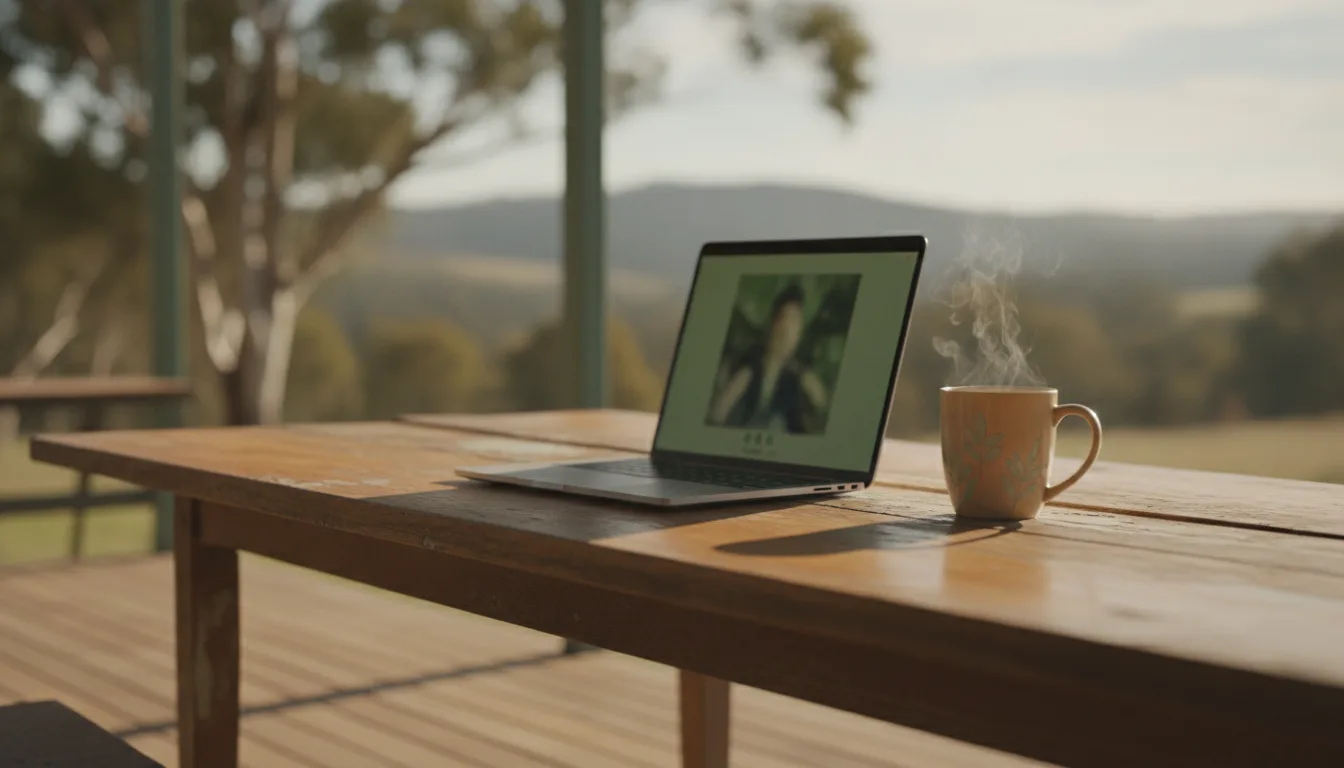
    If you’ve been searching for somatic healing in Melbourne and hitting dead ends, geography or scheduling conflicts, online sessions are a genuinely effective alternative. Delivered via video call, they offer the same depth of body-centred work as in-person appointments, with the added benefit of healing from a space where you already feel safe: your own home.

    What is somatic healing and why are so many Melburnians searching for it?

    Somatic healing is a body-centred approach to emotional and psychological wellbeing that works on the understanding that unresolved stress, grief and trauma are stored not just in the mind but in the tissues, muscles and nervous system of the body. Rather than talking about an experience in purely cognitive terms, somatic work invites the body itself into the healing process, helping to release what the mind alone cannot always reach.

    Interest in this kind of work has grown steadily across Australia, and Melbourne is no exception. People are arriving at it from many directions: after years of talk therapy that felt incomplete, following a period of chronic stress or burnout, or simply because they sense that something is held in the body that needs gentle, intentional attention. The appeal makes complete sense. When anxiety lives in a tight chest, when grief settles into heavy shoulders, when old patterns keep replaying despite your best efforts, a body-aware approach offers a different entry point to lasting change.

    The challenge is that genuinely skilled practitioners can be hard to find, waitlists are long, city clinics are expensive, and getting across Melbourne in peak hour to attend a late-afternoon appointment can feel like its own stressor before the session even begins.

    Does somatic healing online work as well as seeing someone in person?

    Online somatic healing is highly effective for most people, and for many it is actually preferable to in-person work. Being in a familiar, comfortable environment lowers the nervous system’s baseline activation before a session even starts, which means deeper work becomes accessible more quickly. The practitioner can still observe posture, breath, facial expression and the subtle shifts that signal the body is processing something important.

    This is not a compromise version of the real thing. Modalities such as Emotion Code and Body Code, which work with the body’s energy field to identify and release trapped emotions and imbalances, are routinely and successfully practised at a distance. The body’s energetic communication does not require the practitioner to be physically present in the room. Many clients report that their most significant sessions happened online, in the quiet of their own living room, without the transition time and overstimulation of travel.

    There is also a practical equity argument here. If you live in Melbourne’s outer suburbs, in regional Victoria, or anywhere else in Australia, online access means the quality of practitioner you can work with is no longer limited by a commute radius. You choose based on fit, not proximity.

    What kinds of somatic healing approaches are available online?

    The umbrella of somatic and body-centred healing covers a broad range of modalities, and the ones best suited to online delivery tend to share a common thread: they work with the body’s intelligence rather than requiring physical touch from the practitioner.

    Emotion Code is one well-researched example. Developed by Dr. Bradley Nelson and outlined in his book of the same name, it uses muscle testing (applied kinesiology) to identify trapped emotional energies held in the body and release them systematically. Body Code extends this into a broader system that addresses nutritional imbalances, structural issues, pathogens and more, all of which can contribute to emotional and physical symptoms. Both are well-suited to online sessions because the practitioner works with the client’s energy field, often using proxy or distance techniques that have been used by practitioners worldwide for many years.

    Belief Code takes this a step further, targeting the subconscious belief systems that drive recurring emotional and behavioural patterns. When a pattern keeps showing up in relationships, in self-worth, or in the body as chronic tension, working at the level of belief can create shifts that feel both immediate and lasting.

    Holistic counselling, which weaves somatic awareness into reflective conversation, is another modality that translates beautifully online. The practitioner might guide you to notice what arises in the body as you speak, where a feeling lives physically, how it changes as you bring your attention to it. This quality of presence and attunement is absolutely achievable through a video call.

    How do you find the right somatic healing support for you, whether you’re in Melbourne or beyond?

    Finding the right practitioner matters far more than finding the closest one. A few things are worth paying attention to as you search. Look for someone whose training is transparent and whose approach aligns with your own sense of what healing means for you. A good practitioner will offer a genuine introductory conversation before you commit to a package, so you can feel into whether the connection is right.

    Ask yourself what you are actually hoping for from this work. Are you carrying grief that has never fully moved? Do you recognise patterns in relationships or behaviour that you cannot seem to shift through willpower alone? Are you experiencing physical symptoms that don’t have a clear medical explanation? All of these can point toward body-centred, energy-based work as a meaningful complement to other care you may already be receiving.

    It is also worth noting that somatic and energy healing approaches are complementary wellbeing services. They sit alongside, not in place of, medical or psychological care. A practitioner who is clear about this distinction and who encourages you to maintain your existing healthcare relationships is one worth trusting.

    Zoe Bentley Healing works with clients across Melbourne, regional Victoria and the rest of Australia via online sessions, offering Emotion Code, Body Code, Belief Code and holistic counselling. Sessions are tailored to where you are, what you’re carrying and what wants to shift. The work is gentle, body-aware and grounded in genuine care for each person who shows up.

    If you’ve been circling the idea of this kind of support for a while, the intro call is a low-pressure way to ask your questions, get a feel for the approach, and find out whether it resonates before you commit to anything. Book a free 20-minute intro call with Zoe Bentley Healing to explore online somatic healing support.


  • How to Release Trauma From the Body: Gentle Approaches

    How to Release Trauma From the Body: Gentle Approaches

    Many people say they understand what happened to them, but their body still seems to hold on. A racing heart, tight shoulders, a jaw that will not unclench. Trauma-informed approaches often describe this as the body holding stress. This guide explains the idea, the signs people notice, and gentle ways to work with the body, including TRE, somatic practices and yoga.

    What does it mean to hold trauma in the body?

    When something overwhelming happens, the nervous system responds with fight, flight or freeze. Usually this settles once we are safe again. Sometimes, especially after repeated or prolonged stress, the body can stay on alert. Researchers and therapists have written a lot about this, and it is why many trauma approaches now include the body as well as the mind.

    Signs people notice

    • ongoing muscle tension, especially in the neck, shoulders, jaw or hips
    • feeling jumpy, easily startled or always on guard
    • trouble sleeping or relaxing
    • feeling numb, disconnected or “not in your body”
    • strong reactions to reminders of the past
    • tiredness that rest does not seem to fix

    These experiences can also have physical causes, so it is worth talking with your GP if they persist.

    Gentle ways to work with the body

    TRE (Tension and Trauma Releasing Exercises)

    TRE was developed by Dr David Berceli. It uses a short series of exercises to gently tire certain muscles, which can bring on natural tremoring. Many people describe feeling calmer and looser afterwards. TRE is best learned with a trained provider, starting slowly and stopping whenever you need to.

    Somatic practices

    Somatic approaches focus on noticing sensations in the body with curiosity rather than judgement. Simple practices include tracking your breath, noticing where you feel tension and gently moving towards ease.

    Yoga and breath

    Slow, trauma-sensitive yoga lets you rebuild a sense of safety in your body at your own pace. Breath practices with a longer out-breath can help the nervous system settle.

    Shaking, walking and nature

    Shaking out your arms and legs, walking and spending time outdoors are simple ways to release built-up energy.

    Energy healing

    Some people find gentle energy healing, such as the Emotion Code, a supportive addition because it does not require retelling the story. It is a complementary practice and not a trauma treatment.

    Go gently

    Working with trauma in the body can bring feelings to the surface. Go slowly, stop if you feel overwhelmed and make sure you have support. If you are living with post-traumatic stress, a psychologist trained in trauma therapy is an important part of your care. Your GP can help with a Mental Health Treatment Plan. In a crisis, call Lifeline on 13 11 14.

    How Zoe can support you

    Zoe brings together holistic counselling, yoga therapy and energy healing. Before this work she was a Police Detective and Family Liaison Officer in London’s Metropolitan Police, sitting with families through some of the hardest moments of their lives. Sessions are calm, unhurried and always at your pace, in Peregian Beach, near Noosa, or online by Google Meet.

    Book a session with Zoe

    Read about holistic counselling sessions, or book a free 20-minute intro call to ask anything first.

    Sessions are a complementary wellbeing practice. They are not a substitute for medical or psychological diagnosis or treatment, and individual experiences vary.

  • What Is Somatic Healing and How Does It Work?

    What Is Somatic Healing and How Does It Work?

    Somatic healing is an umbrella term for approaches that work with the body as well as the mind. “Soma” means body in Greek. Instead of only talking about what has happened, somatic work pays attention to what you feel physically, such as tension, breath and sensation, as a way to support emotional wellbeing. This guide explains what it is, how it works and what a session can look like.

    Why the body?

    Stress and emotion show up physically. Think of a tight throat before you cry, or shoulders that creep up towards your ears on a busy day. Somatic approaches start from the idea that noticing and gently working with these sensations can help the nervous system settle, sometimes in ways that talking alone does not.

    Common somatic approaches

    • Body awareness: slowly noticing sensations with curiosity, without trying to change them.
    • Breathwork: gentle breathing practices to support calm.
    • Movement: yoga, stretching, shaking or simple movements that feel good.
    • Grounding: feeling your feet, your seat and the ground beneath you.
    • Somatic therapy: structured approaches such as Somatic Experiencing, offered by trained therapists.
    • TRE: exercises that can bring on natural tremoring to release tension.

    What happens in a somatic session?

    A session might begin with a conversation about what is going on for you. The practitioner may then invite you to notice what you feel in your body, try a breathing practice or move slowly in a way that feels safe. You are always in control. You can stop, pause or say no to anything. The pace is gentle on purpose.

    What people say they notice

    Clients often say they feel more present, calmer or more connected to their body. Some notice they can recognise stress earlier and settle more easily. Experiences vary, and change is usually gradual rather than dramatic.

    Is somatic healing right for me?

    Somatic approaches may suit you if you:

    • feel disconnected from your body
    • notice stress mostly as physical tension
    • have talked through something but still feel it in your body
    • like practical tools you can use at home

    If you are working through trauma, it is important to go slowly and work with a trained professional. Somatic practices can sit alongside psychological therapy, but they do not replace it.

    How Zoe uses somatic approaches

    Zoe weaves body awareness, breath and movement into her holistic counselling and yoga therapy sessions. You can talk, move, rest or combine all three. Sessions are in Peregian Beach, near Noosa, or online by Google Meet.

    Book a session with Zoe

    Read about holistic counselling sessions, or book a free 20-minute intro call to ask anything first.

    Sessions are a complementary wellbeing practice. They are not a substitute for medical or psychological diagnosis or treatment, and individual experiences vary.

  • Nervous System Regulation: A Holistic Guide to Feeling Calm

    Nervous System Regulation: A Holistic Guide to Feeling Calm

    “Nervous system regulation” has become a popular phrase, and for good reason. Many of us spend long stretches feeling wired, on edge or completely flat. This guide explains what nervous system regulation means in plain language, the signs of a stressed nervous system, and gentle, holistic ways to help yourself feel calmer.

    What is the nervous system doing?

    Your autonomic nervous system runs in the background, adjusting your heart rate, breathing and digestion to whatever is happening. Put simply, it has two main modes:

    • Sympathetic, or “fight or flight”: gets you ready to act when something feels threatening.
    • Parasympathetic, or “rest and digest”: helps you settle, recover and connect.

    Both are healthy. The aim is not to be calm all the time, but to be able to move back towards calm after stress.

    What does “dysregulated” feel like?

    When stress is constant, the body can stay stuck in alert mode, or swing into shutdown. People describe:

    • feeling anxious, jumpy or unable to switch off
    • trouble sleeping, or waking tired
    • a tight chest, shallow breathing or tense shoulders and jaw
    • irritability, overwhelm or snapping at small things
    • feeling numb, flat or disconnected
    • digestive upsets when stressed

    These can have many causes, including medical ones. If you notice ongoing changes, please check in with your GP.

    Gentle ways to support your nervous system

    Breath

    Slow breathing with a longer out-breath, for example in for four and out for six, is one of the simplest ways to signal safety to the body.

    Movement

    Walking, gentle yoga, stretching or shaking out your body can help release built-up tension. Yoga therapy tailors this to you.

    Grounding

    Feel your feet on the floor, notice five things you can see, or spend time near the ocean or under trees. The Sunshine Coast is a good place for this.

    Connection

    Time with people who feel safe is one of the most regulating things there is. A warm conversation can settle the body as much as any technique.

    Rest and rhythm

    Regular sleep, meals and small daily routines give the nervous system something steady to rely on.

    Vagus nerve practices

    Humming, singing, gargling and cold water on the face are often suggested as simple ways to support the vagus nerve. Research is still developing, but many people find them calming.

    Holistic support for nervous system regulation

    Some people find it helps to work with someone. Options include:

    • Holistic counselling: talking things through in a safe space, with attention to body and mind.
    • Yoga therapy: one-on-one breath and movement practices tailored to how your body feels.
    • Energy healing: gentle sessions such as the Emotion Code, which many clients find calming.

    If you are living with anxiety, depression or trauma, a psychologist or GP is an important part of your support. In a crisis, call Lifeline on 13 11 14.

    Working with Zoe

    Zoe combines holistic counselling, yoga therapy and energy healing to help clients feel more settled in their bodies. She sees clients in Peregian Beach, near Noosa, and online by Google Meet.

    Book a session with Zoe

    Read about holistic counselling sessions, or book a free 20-minute intro call to ask anything first.

    Sessions are a complementary wellbeing practice. They are not a substitute for medical or psychological diagnosis or treatment, and individual experiences vary.