Chakra Meditations: How They Work and When to Seek More Support
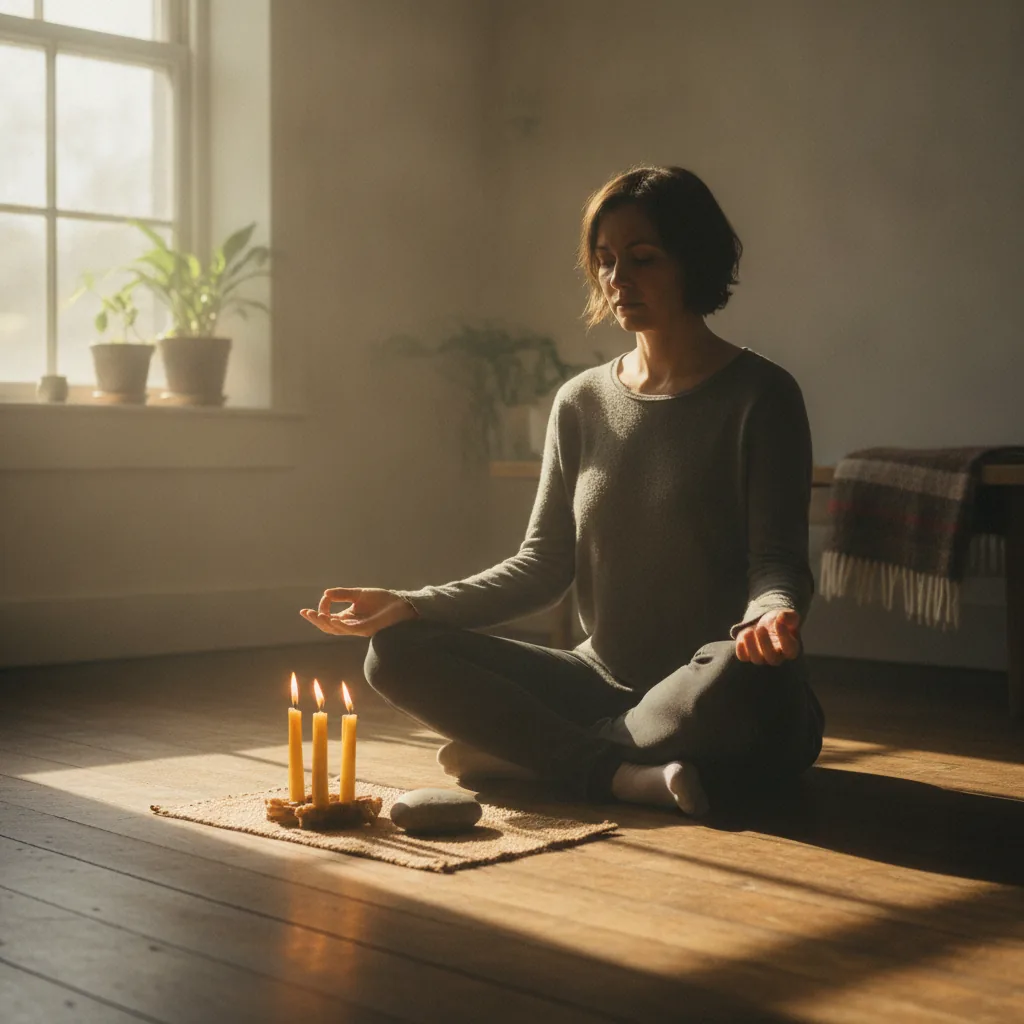
Chakra meditations are guided or self-led practices that direct focused awareness toward the body’s seven main energy centres, with the intention of releasing tension, restoring balance and cultivating inner calm. Regular practice can reduce stress, improve emotional regulation and deepen body awareness. They work best as part of a broader wellbeing toolkit, and some experiences call for more than meditation alone.
What exactly are chakra meditations and where do they come from?
Chakra meditations are contemplative practices rooted in ancient Indian philosophy, particularly the yogic and tantric traditions that mapped the body as a system of spinning energy wheels, or chakras. Each of the seven main chakras corresponds to specific emotional, physical and spiritual themes. The practice of meditating on these centres uses breath, visualisation, sound or bodily sensation to encourage energy to flow freely through each one.
The word “chakra” comes from the Sanskrit for wheel or circle, a clue to how these centres were understood: as dynamic, rotating fields of life-force energy (prana) rather than fixed anatomical structures. The earliest detailed chakra maps appear in texts such as the Sat-Cakra-Nirupana, written in the sixteenth century, though the underlying philosophy is far older.
In a typical chakra meditation, you might be guided to bring gentle attention to the base of your spine (root chakra), notice any sensations there, pair that awareness with slow diaphragmatic breathing, and then visualise a warm red light gradually becoming brighter and steadier. You move upward through the body, spending time with each centre, until you reach the crown at the top of the head. The whole practice can take as little as ten minutes or as long as an hour, depending on the depth you are looking for.
How do chakra meditations support emotional and physical wellbeing?
Chakra meditations support wellbeing by combining the well-researched benefits of mindfulness and breathwork with an intentional, body-centred framework that helps people locate and name what they are feeling. By giving abstract emotions a physical “home” in the body, the practice makes it easier to observe, sit with and gently shift emotional states rather than suppressing or intellectualising them.
Research into mindfulness-based practices more broadly is worth noting here. A 2014 meta-analysis published in JAMA Internal Medicine, reviewing 47 trials, found moderate evidence that mindfulness meditation programmes reduced anxiety, depression and pain. While chakra meditation specifically has not been the subject of the same volume of clinical trials, it shares the foundational mechanisms, namely sustained present-moment attention, intentional breathing and body scan awareness, that underpin those findings.
Within the chakra framework, each centre is associated with distinct themes that many people find genuinely useful as a map for their inner life. The root chakra (Muladhara, at the base of the spine) relates to safety, stability and belonging. The sacral chakra (Svadhisthana) is linked to creativity, pleasure and emotional fluidity. The solar plexus (Manipura) governs personal power and self-worth. The heart (Anahata) holds themes of love, grief and connection. The throat (Vishuddha) is associated with expression and truth. The third eye (Ajna) is connected to intuition and clarity, and the crown (Sahasrara) relates to meaning and spiritual connection.
When a particular chakra feels blocked or depleted through a meditation practice, that noticing itself is valuable information. It points a person toward the emotional territory that may be asking for attention.
Can chakra meditations resolve deeper emotional patterns on their own?
Chakra meditations can soften and illuminate emotional patterns, but they do not always resolve the trapped emotions, limiting beliefs or energetic imprints that sit beneath those patterns. Consistent practice can create a quieter, more receptive internal environment, which is genuinely valuable. However, when the same theme keeps surfacing despite regular meditation, it is often a signal that the underlying energy needs more targeted support.
This is a distinction worth sitting with honestly. Meditation is a practice of awareness. It teaches you to observe what is present without immediately reacting. That capacity is foundational to any healing journey. But awareness of a pattern and release of that pattern are two different things. A person might meditate on their heart chakra daily for months, becoming increasingly aware of how much grief they carry, while that grief remains largely unshifted because it is held as a trapped emotion in the body at an energetic level.
This is where approaches like the Emotion Code and Body Code work in a complementary way. Developed by Dr Bradley Nelson, the Emotion Code is a structured method for identifying and releasing specific trapped emotions that may be contributing to physical discomfort, emotional heaviness or persistent life patterns. The Body Code goes further, addressing imbalances across multiple body systems, from energetic and nutritional to structural and pathogenic influences. These are not meditation practices, but they work with the same fundamental understanding: that our bodies hold energy, that unresolved emotional experiences leave an imprint, and that releasing those imprints can create meaningful, sometimes profound shifts in how we feel and function.
What signs suggest it might be time to seek more than chakra meditation?
It may be time to seek additional support when chakra meditations consistently surface the same emotional content without relief, when physical symptoms accompany emotional distress, or when a sense of being “stuck” persists across multiple areas of life despite genuine effort. These are not signs of failure in your practice; they are signals that something deeper is ready to be addressed with more specific tools.
Some signs to pay attention to include:
- A recurring heaviness or tightness in a specific area of the body that meditation soothes temporarily but does not resolve.
- Emotional reactivity that feels disproportionate to present circumstances, often pointing to an older, unprocessed experience.
- A persistent belief about yourself (around worthiness, safety or love) that you can observe clearly during meditation but cannot seem to shift.
- Physical fatigue, discomfort or tension that has been investigated medically without a clear cause.
- A general sense of flatness, disconnection or going through the motions, even when your outer life looks fine.
None of these experiences mean meditation is not working. Often it is working beautifully, bringing these deeper layers to the surface so they can finally be seen and released. The question is simply whether meditation alone is the right tool for what is now visible.
How do energy healing sessions complement a chakra meditation practice?
Energy healing sessions and chakra meditations work well together because they operate on the same foundational premise while approaching it from different directions. Meditation builds awareness and receptivity from the inside out. Energy healing, such as Emotion Code or Body Code sessions, works to identify and clear specific imbalances that may be too embedded for awareness alone to shift.
Think of it this way: a daily chakra meditation practice is like tending a garden with steady, loving attention. You water it, you notice which plants are struggling, you create the conditions for growth. An Emotion Code or Body Code session is like calling in a specialist to identify and remove a root system that has been quietly blocking nutrients from reaching everything else. Both are acts of care. They simply work at different depths and in different ways.
Many people who already have a meditation or yoga practice find that energy healing sessions make their existing practice richer. When a trapped emotion around, say, the heart chakra is released, the meditations that follow often feel noticeably more open, more spacious and more effective. The two approaches can create a genuinely supportive cycle.
If you have been drawn to chakra meditations because something in you is ready to shift, that instinct is worth honouring fully. Let your practice open the door, and know that deeper support is available when you are ready for it.
Book an Emotion Code or Body Code session with Zoe Bentley Healing.