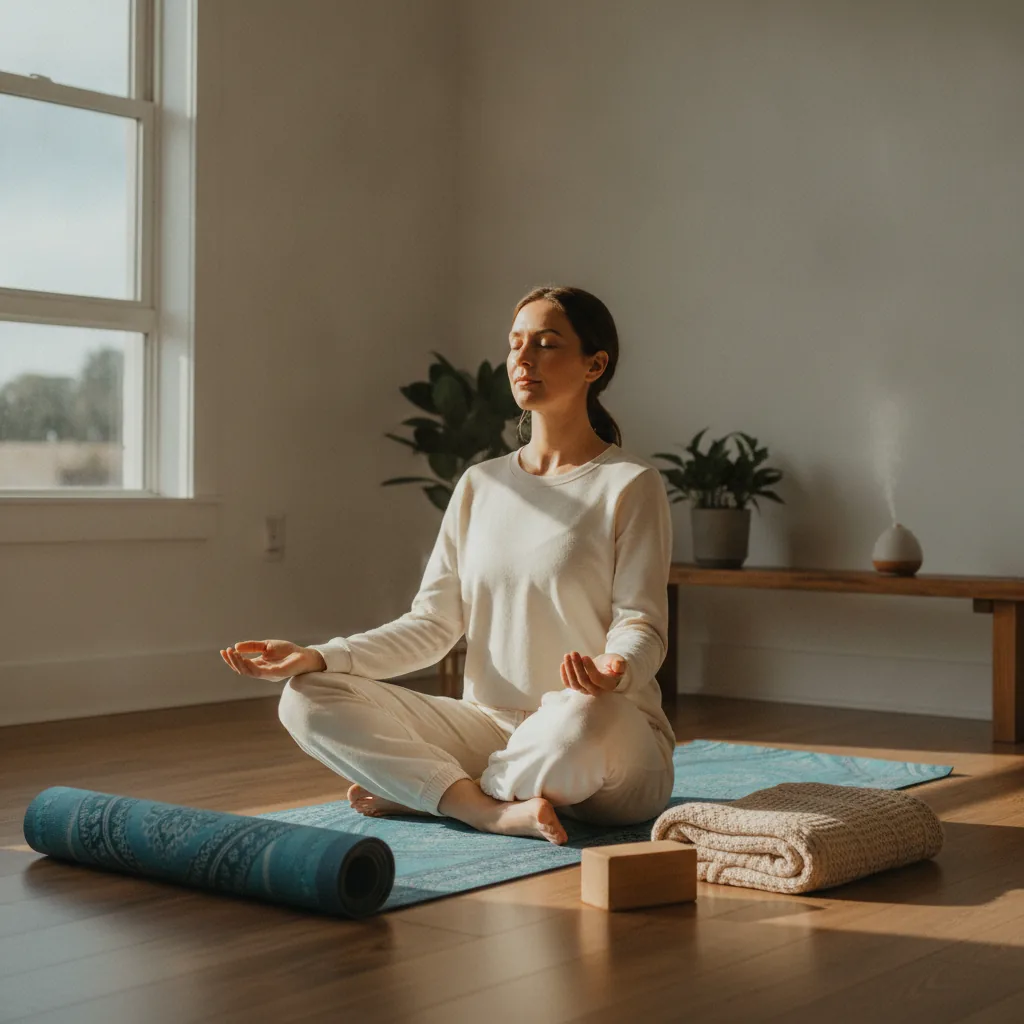
Yoga Therapy Classes: What to Expect and How to Get Started
Yoga therapy classes are personalised, therapeutically guided sessions that use yoga postures, breathwork, and mindfulness to support your physical, emotional and mental wellbeing. Unlike a standard group yoga class, they are tailored to your individual health history and goals, making them a deeply intentional form of complementary care for people at any stage of their wellness journey.
What exactly are yoga therapy classes, and how do they differ from regular yoga?
Yoga therapy classes are one-on-one or small-group sessions led by a trained yoga therapist who adapts practices specifically to the individual rather than delivering a fixed sequence to a general audience. Where a regular yoga class teaches postures to a group, yoga therapy works from your personal health picture, using yoga tools purposefully to address your unique needs, whether physical, emotional or both.
Most of us have wandered into a group fitness yoga class and quietly felt lost, slightly out of our depth, or frustrated that the teacher simply could not adjust the whole room to suit our tight hips or recovering knee. Yoga therapy is the answer to that feeling. The International Association of Yoga Therapists (IAYT) defines yoga therapy as the process of empowering individuals to progress toward improved health and wellbeing through the application of yoga teachings and practices. That distinction matters: it shifts yoga from exercise to a genuine tool for healing and self-understanding.
In practice, a yoga therapist might draw on gentle movement, restorative postures, pranayama (breath regulation), meditation, yoga nidra (a deeply restful guided awareness practice) or even specific philosophical teachings from the yoga tradition. Nothing is chosen at random. Every element serves your particular intention for being there.
Who benefits most from yoga therapy classes?
People who benefit most from yoga therapy classes are those managing chronic pain, stress, anxiety, grief, fatigue, or conditions that have not fully responded to conventional approaches alone. It is equally valuable for anyone simply seeking a more conscious, body-aware way to navigate daily life. You do not need any prior yoga experience to begin.
Some of the people who find their way to yoga therapy include those recovering from injury who have been cleared by their doctor but still feel fragile and uncertain in their body. Others arrive carrying years of stored tension, anxiety that lives in the chest and shoulders, or a profound sense of disconnection from themselves after a period of loss or burnout. There are also people who have practised yoga for years and are ready to go deeper, to understand why certain postures bring up emotion, or how the breath can become a steady anchor on difficult days.
Research published through the IAYT has highlighted yoga therapy’s relevance across a wide range of presentations, from musculoskeletal conditions and chronic low back pain to mood disorders and sleep disturbance. What makes it particularly well-suited to these situations is its whole-person lens: the body, the breath, the mind, and the deeper layers of self are all held in view at once.
What actually happens during yoga therapy classes?
During yoga therapy classes, your therapist begins with an in-depth intake conversation to understand your health history, current concerns and personal goals. From there, each session blends relevant yoga practices chosen specifically for you, followed by reflection and guidance on what to carry forward into your everyday life. Sessions are collaborative, not prescriptive.
The first session typically feels more like a warm conversation than anything else. You might be surprised by how much time is spent simply talking and being listened to before a single posture is attempted. Your therapist is building a picture of you, not just your symptoms. From that foundation, the physical and breathing practices that follow feel purposeful rather than arbitrary.
A session might unfold like this: a short grounding practice to arrive, some gentle movement or posture work suited to your body that day, a focused breathwork sequence, and then a period of stillness, perhaps yoga nidra or quiet meditation. Afterward, you might discuss what you noticed and receive simple home practices to integrate between sessions. That between-session practice is often where the real shifts begin to settle in.
Because yoga therapy is complementary care rather than a replacement for medical or psychological treatment, a skilled therapist will also communicate with your other healthcare providers where relevant, and will always be clear about the boundaries of their scope of practice.
How do you get started with yoga therapy classes?
To get started with yoga therapy classes, look for a practitioner with recognised training in yoga therapy (IAYT-accredited programs are a well-regarded benchmark), book an initial session to discuss your goals, and arrive with an open mind rather than any fixed expectation of what yoga should look like. No special equipment, flexibility or prior experience is required.
A few practical things to know before your first session. Wear comfortable, unrestricted clothing you can move and breathe in. Sessions are typically conducted in a quiet, private space, either in person or online, depending on your therapist. You might want to keep a simple journal nearby, because people often notice things about their body and breath in the hours after a session that are worth capturing.
Come curious rather than goal-obsessed. Yes, it helps to have a clear intention, whether that is easing back pain, reducing anxiety, sleeping more deeply, or reconnecting with yourself after a hard season. But the most meaningful moments in yoga therapy often arise from what you did not know to look for. That openness is part of what makes the process so genuinely different from simply attending a fitness class.
At Zoe Bentley Healing, yoga therapy is woven into a holistic approach alongside Emotion Code, Body Code, Belief Code and holistic counselling. The understanding that the body, emotions, beliefs and nervous system are deeply interconnected sits at the heart of everything offered here. A yoga therapy session is not a standalone technique applied in isolation: it is part of a broader, caring conversation about what it means to feel well in your whole self.
If any of this has spoken to something you have been quietly carrying, you are warmly invited to take the next step. Book a Yoga Therapy session with Zoe Bentley Healing.