
Category: Wellbeing

  • How Your Emotions Affect Your Physical Health

    How Your Emotions Affect Your Physical Health

    How Your Emotions Affect Your Physical Health

    The connection between emotions and health is far more direct than most of us are taught to believe. When emotions are not fully processed, they can become stored in the body as energetic imprints, contributing to tension, pain, fatigue and a wide range of physical symptoms. Understanding this link is one of the most powerful steps you can take toward lasting wellbeing.

    What does the science say about the mind-body connection?

    Research consistently shows that emotional states influence the nervous system, the immune system and even cellular function. A landmark 1998 study by the Centers for Disease Control and Prevention and Kaiser Permanente, known as the ACE (Adverse Childhood Experiences) study, found a clear dose-response relationship between unresolved emotional trauma and serious physical health conditions later in life, including heart disease, chronic pain and autoimmune disorders. The body and mind are not separate systems; they are in constant, ongoing conversation.

    Stress hormones like cortisol and adrenaline are designed for short bursts of threat response. When emotional distress becomes chronic, these hormones stay elevated, quietly wearing down the body over time. You might notice this as a tight chest when you are anxious, a hollow ache in your stomach after grief, or a persistent tension headache during prolonged periods of worry. These are not coincidences. They are your body communicating something real.

    Psychoneuroimmunology, the scientific field that studies how psychological states affect the nervous and immune systems, has grown significantly since the 1980s. Researchers like Dr. Candace Pert, author of Molecules of Emotion, demonstrated that neuropeptides (the chemical messengers tied to our emotions) are received by receptors throughout the entire body, not just the brain. In other words, your body is literally listening to every feeling you have.

    How do trapped emotions affect your physical health?

    Trapped emotions are emotional energies that become lodged in the body when a feeling is not fully experienced or released. They can form during moments of overwhelm, grief, shock or prolonged stress, and may settle into specific areas of the body, contributing to physical discomfort, low energy and emotional reactivity. Many people carry these imprints for years without realising they are there.

    Think about a time you felt a wave of shame and noticed your shoulders immediately curl inward. Or a moment of sudden fear that froze you in place. The body has a remarkable memory. When an emotion arises faster than we can consciously process it, the energy of that feeling does not simply disappear. It needs somewhere to go, and often it settles into the tissues, organs or energy field of the body.

    Common patterns include:

    • Chronic neck and shoulder tension linked to long-carried burdens of responsibility or unexpressed frustration.
    • Digestive issues that flare during periods of anxiety or unresolved conflict.
    • Fatigue that persists even after rest, often associated with grief, sadness or prolonged emotional suppression.
    • Heart area tightness or vulnerability tied to loss, heartbreak or feelings of unworthiness.

    This is not about assigning blame to yourself for being unwell. It is simply about recognising that your emotional history lives in your body, and that giving it gentle, informed attention can open the door to genuine healing.

    Why do so many people miss the emotional root of physical symptoms?

    Most conventional healthcare focuses on the physical symptom itself rather than the emotional or energetic patterns that may be contributing to it. This is not a flaw in medicine; it is simply a limitation of a system designed primarily for acute physical care. When someone presents with chronic lower back pain or recurring migraines, the investigation usually stays within the physical domain. Blood tests, scans and medication are the tools of that model, and they are valuable tools. But they often leave a significant piece of the picture unexamined.

    Many people spend years cycling through physical treatments with only partial relief, feeling quietly frustrated that something deeper seems to be going on. If that resonates with you, you are not imagining it. The emotional layer of health is real, and it deserves the same thoughtful attention as the physical layer.

    Cultural conditioning also plays a role. Many of us were raised to push feelings aside, to stay strong, to keep moving. The idea that sitting with an emotion, acknowledging it fully and allowing it to move through the body could have genuine physical consequences is still relatively unfamiliar to mainstream conversation. Yet the evidence, and the lived experience of countless people, points clearly in that direction.

    What can you do to support your emotional and physical wellbeing?

    Supporting your emotional health is one of the most practical things you can do for your physical body. Simple, consistent practices make a real difference. Slowing down enough to notice what you are feeling, naming the emotion out loud or in a journal, moving your body gently to discharge stored tension, and seeking support when the emotional weight feels too heavy to carry alone are all meaningful starting points.

    Somatic awareness practices, those that draw attention to physical sensations as a gateway to emotional experience, are particularly valuable. Rather than thinking your way through a feeling, you learn to feel it in your body with curiosity and without judgment. This is something yoga therapy, with its roots in breath awareness and present-moment body observation, supports beautifully.

    Energy-based approaches offer another avenue. The Emotion Code, developed by Dr. Bradley Nelson, is one such method. It is a structured approach to identifying and releasing trapped emotional energies from the body using muscle testing (applied kinesiology). Practitioners use a detailed chart of emotions and gentle, focused intention to locate where an emotional imprint is held and support its release. Many people report noticeable shifts in both emotional and physical wellbeing following Emotion Code sessions, from reduced pain and tension to a greater sense of ease, lightness and emotional resilience.

    It is worth noting that energy healing work like the Emotion Code is a complementary modality. It works alongside, not instead of, conventional medical care. If you have a health concern, please always consult your doctor or a qualified healthcare professional. What complementary approaches can offer is a thoughtful, gentle focus on the emotional and energetic dimensions that conventional care may not address.

    The most important thing is to start somewhere. Becoming curious about the relationship between what you feel and how your body responds is itself a healing act. You do not need to have it all figured out. You just need to be willing to listen a little more closely to what your body has been trying to tell you.

    If you are ready to explore the emotional roots of what you are experiencing, Book an Emotion Code session with Zoe Bentley Healing.

  • How to Heal Your Nervous System with Holistic Practices

    How to Heal Your Nervous System with Holistic Practices

    How to Heal Your Nervous System with Holistic Practices

    To heal your nervous system holistically means working with the body, the mind and the emotions together rather than in isolation. Gentle somatic tools, breathwork, yoga therapy, energy-based modalities and compassionate counselling all help shift the nervous system out of chronic stress states and back toward a felt sense of safety, ease and regulation.

    Why does healing your nervous system matter so much?

    Healing your nervous system matters because it is the foundation of every other aspect of your wellbeing. When the nervous system is stuck in a prolonged stress response, sleep suffers, digestion is disrupted, emotions feel harder to manage and physical tension tends to become a constant companion. Restoring regulation opens the door to genuine, lasting change in every area of life.

    Most people are familiar with the phrase “fight or flight,” but what fewer people recognise is just how easy it is to get lodged there. Modern life sends a steady stream of signals that the body interprets as threat, even when the actual danger is a full inbox rather than a predator. The nervous system does not always distinguish between the two. Over time, that unrelenting activation can rewire the brain and body toward hypervigilance, anxiety, chronic fatigue or emotional numbness.

    Polyvagal theory, developed by neuroscientist Stephen Porges, offers a helpful map here. It describes three broad states: ventral vagal (connected and calm), sympathetic (mobilised and activated) and dorsal vagal (shut down and disconnected). True healing is not about suppressing activation. It is about developing the capacity to move fluidly between states and return to that ventral vagal home base more readily and more often.

    What holistic practices are most effective for nervous system regulation?

    The most effective holistic practices for nervous system regulation tend to involve the body directly, because the nervous system lives in the body, not just the thinking mind. Breathwork, yoga therapy, somatic awareness practices, energy healing modalities and supportive counselling each offer different entry points into the same underlying shift: moving from threat to safety, from tension to ease.

    Here is a closer look at some of the approaches that genuinely move the needle.

    Conscious breathwork. The breath is one of the only autonomic functions you can consciously control, which makes it a direct lever into the nervous system. Extended exhale breathing (where the out-breath is noticeably longer than the in-breath) activates the parasympathetic branch and begins to slow the heart rate within minutes. Even four or five cycles of a four-count inhale and six-to-eight-count exhale can shift your physiological state measurably.

    Yoga therapy. This is different from a regular yoga class. Yoga therapy is an individualised, therapeutic application of yogic tools, including posture, breath, sound, meditation and philosophy, adapted specifically for a person’s health goals and nervous system needs. Research published in the International Journal of Yoga found that consistent yoga practice significantly reduced perceived stress and cortisol levels in participants. For someone whose system is chronically activated, slow, grounded practices like restorative yoga or yoga nidra can be profoundly regulating. For someone in a dorsal or shutdown state, gentle movement and breathwork that builds energy can be just as valuable.

    Somatic awareness. Simply learning to notice physical sensation without immediately trying to fix or analyse it is a powerful practice. Techniques like body scanning, pendulation (moving attention between a place of tension and a place of ease in the body) and titration (approaching difficult material in small doses) all come from the somatic therapy tradition and are used by practitioners worldwide to help people build a safer relationship with their own bodies.

    Energy-based healing. Modalities like the Emotion Code, Body Code and Belief Code, developed by Dr Bradley Nelson, work with the premise that trapped emotional energies and imbalances can be identified and released, often with surprisingly swift results. Many clients who have been carrying physical tension, anxiety or emotional heaviness for years report noticeable lightness after sessions. These approaches complement rather than replace other care, and they treat the body as an intelligent, interconnected system.

    Holistic counselling. Talk-based support that honours the whole person, body, mind, emotions and spirit, creates the relational safety that the nervous system needs to truly soften. When someone feels genuinely heard and held in a therapeutic space, the ventral vagal state becomes more accessible. This is not just poetic language. Co-regulation (the process by which one calm nervous system helps settle another) is a well-documented physiological phenomenon.

    How do trapped emotions affect the nervous system?

    Trapped emotions can keep the nervous system in a low-grade state of alert long after the original experience has passed. When an emotion is not fully processed and released at the time it arises, the body stores the energetic imprint of it. That unresolved charge can contribute to patterns of anxiety, physical tension, reactivity or emotional blocks that seem disconnected from present circumstances but are very much alive in the body.

    This is one reason why purely cognitive approaches do not always bring the relief people hope for. You can understand why you feel anxious without that understanding reaching the level of the body where the pattern is actually held. Energy-based healing, somatic work and yoga therapy all operate at that deeper layer, working with the body’s intelligence rather than trying to reason it into change.

    The Emotion Code, for instance, uses muscle testing to identify specific trapped emotions and their origin, then uses a simple energetic release process to clear them. Clients often describe feeling lighter, calmer or unexpectedly emotional after sessions, which is simply the system reorganising itself around a new sense of space.

    What can you do every day to support nervous system healing?

    Daily nervous system support does not need to be elaborate or time-consuming. Small, consistent practices compound over time far more effectively than occasional intensive efforts. Simple daily habits that genuinely resource the nervous system include: spending time in nature, even briefly; prioritising sleep as a non-negotiable; eating in a calm environment (the gut and the nervous system are deeply connected via the vagus nerve); and building moments of genuine rest into the day rather than collapsing into screens.

    Movement matters too, but the quality of your relationship to movement is just as important as the activity itself. Pushing through exhaustion or exercising from a place of self-criticism keeps the system activated. Moving with curiosity and self-compassion, even gently, sends very different signals.

    Mindful transitions are another underrated tool. The brief pause between one activity and the next, a few conscious breaths, a moment of noticing where you are and how you feel, gives the nervous system a chance to reset rather than carrying the charge of one context into the next.

    And perhaps most importantly: seek support. Nervous system healing is not a solo project. Human beings are wired for co-regulation. Working with a practitioner who can hold a warm, steady, attuned space is one of the most efficient and sustainable paths to lasting change.

    If you are ready to explore what that kind of support might feel like, Book a One-on-One Yoga Therapy session with Zoe Bentley Healing.

  • Burnout vs Emotional Exhaustion: What’s the Difference?

    Burnout vs Emotional Exhaustion: What’s the Difference?

    Burnout vs Emotional Exhaustion: What’s the Difference?

    Burnout and emotional exhaustion are closely related but distinct experiences. Burnout is a state of chronic workplace or role-related depletion that affects motivation, performance and identity. Emotional exhaustion is one of burnout’s core components, yet it can also arise independently from grief, caregiving, relationships or prolonged stress that has nothing to do with work at all.

    What exactly is burnout, and why does it feel so all-consuming?

    Burnout is a prolonged response to chronic stress, most commonly associated with work or caregiving roles, that leaves a person feeling depleted across three dimensions: emotional exhaustion, a growing sense of detachment or cynicism, and a reduced feeling of personal effectiveness. It rarely arrives overnight. It builds slowly, over months or even years, which is partly what makes it so easy to miss until you are already deep inside it.

    The World Health Organization classifies burnout as an occupational phenomenon in the ICD-11, describing it specifically as resulting from “chronic workplace stress that has not been successfully managed.” That framing matters, because burnout is not simply tiredness. It is tiredness that has calcified into something structural. People experiencing burnout often describe going through the motions, losing the sense of meaning that once drove them, and feeling disconnected from the person they used to be. They may still function outwardly while quietly running on empty inside.

    Common signs of burnout include persistent fatigue that does not lift after rest, increasing cynicism or resentment toward work or responsibilities, difficulty concentrating, emotional numbness, physical symptoms like headaches or frequent illness, and a creeping sense that nothing you do makes any difference. If several of those sound familiar, you are not alone, and you are not broken. Your system has simply been asking for more than it had capacity to give for a very long time.

    How is emotional exhaustion different from burnout?

    Emotional exhaustion is the feeling of being completely drained of your emotional resources. It is considered one of the three defining features of burnout, but it is broader than that. Emotional exhaustion can arise from any situation that places sustained, heavy demands on your emotional reserves: grieving a loss, supporting a partner through illness, navigating conflict, parenting young children, or processing years of stored stress and unresolved feelings.

    When emotional exhaustion exists without the other hallmarks of burnout (the cynicism and the reduced sense of efficacy), it tends to feel more like emptiness or emotional flatness than resentment or detachment. You may still care deeply about the things in your life, yet find you simply have nothing left to give in the moment. Reaching for a feeling and coming up blank. Watching a sunset and not quite being able to feel it the way you once would have.

    Emotional exhaustion is also often more body-based than people expect. When we carry unresolved emotions for long enough, the body begins to hold them. Tightness in the chest, a persistent heaviness, shallow breathing, tension across the shoulders. These are not random symptoms. They are the body’s honest language for what it has been carrying. Research in psychoneuroimmunology has consistently shown that chronic emotional stress activates the same physiological stress pathways as physical threat, which is why emotional exhaustion so often shows up as physical fatigue as well.

    Can you experience burnout and emotional exhaustion at the same time?

    Yes, and most people who are burned out are also emotionally exhausted. Burnout almost always includes emotional exhaustion as a central feature. The difference is that burnout also involves a shift in identity and meaning, a sense of disillusionment with the role or cause that once felt purposeful. Emotional exhaustion on its own does not necessarily carry that layer of cynicism or loss of purpose. You might be emotionally spent and still deeply love what you do.

    Recognising which experience is more dominant actually matters for recovery. If the core issue is emotional exhaustion without the identity-level disillusionment of burnout, restoring emotional resources through rest, connection, nervous system support and processing stored feelings can bring noticeable relief relatively quickly. If full burnout has set in, recovery usually also involves re-examining the structures, beliefs and pressures that led there in the first place. Sustainable change requires going deeper than rest alone.

    Both states share one thing in common: they are signals. Not weaknesses, not failures, but communications from a system that has been over-giving and under-replenishing for too long. The question worth sitting with is not “what is wrong with me?” but “what has been asking for my attention that I have not yet been able to give?”

    What role do trapped emotions play in emotional exhaustion and burnout?

    One of the most overlooked dimensions of both burnout and emotional exhaustion is the weight of unprocessed emotion. Every time we experience something difficult and do not fully feel or release it, whether because life is moving too fast, because we were taught not to, or simply because it felt too much, that emotional energy does not disappear. It gets stored. Over time, layers of stored emotion can quietly drain our capacity and make even ordinary moments feel heavier than they should.

    This is one of the reasons why sleep, holidays and time off, while genuinely helpful, sometimes do not restore a person to how they used to feel. The tiredness is not just physical. It is the cumulative weight of what has been carried, unfelt, for years. Addressing that layer, gently and at a pace that feels safe, is often what creates the kind of shift that rest alone cannot.

    Approaches like the Emotion Code, Body Code and Belief Code work specifically with this layer: identifying and releasing trapped emotional energy stored in the body, and exploring the underlying beliefs that may be quietly driving patterns of over-giving, perfectionism and self-neglect. These are complementary wellbeing modalities and are not a replacement for professional medical or psychological care, but for many people they offer a meaningful piece of the recovery picture.

    Holistic counselling and yoga therapy, both offered at Zoe Bentley Healing, can also support the nervous system’s return to a more regulated, spacious state. Yoga therapy in particular works with the breath and body in ways that speak directly to a system that has been in sustained stress. Sometimes the body needs to be met where it is, not pushed through another protocol, but gently invited back into safety.

    Recovery from burnout and emotional exhaustion is not a single event. It tends to be a process of gradually lightening the load: releasing what has been stored, relearning what rest actually feels like, reconnecting to the things that genuinely nourish you, and building a relationship with yourself that is a little kinder than the one that got you here. That is quiet, meaningful work, and it is worth doing.

    If any of this has resonated and you are wondering what support might look like for you, the best place to start is a conversation. Book a free 20-minute intro call with Zoe Bentley Healing and see what feels right.

  • Nervous System Healing: Holistic Approaches That Actually Help

    Nervous System Healing: Holistic Approaches That Actually Help

    Nervous System Healing: Holistic Approaches That Actually Help

    Nervous system healing is the process of gently guiding your body and mind out of chronic stress states, such as fight-or-flight or freeze, and back toward a felt sense of safety and regulation. Holistic approaches, including yoga therapy, emotional release work and somatic practices, support this process by working with the body directly rather than the thinking mind alone.

    Why does the nervous system get stuck in survival mode?

    The nervous system gets stuck in survival mode when the body experiences more stress, threat or unprocessed emotion than it can integrate at the time. Over months or years, this creates a baseline of hyperarousal or shutdown that begins to feel normal, even when the original stressor is long gone.

    Your nervous system is not broken. It is doing exactly what it was designed to do: protect you. The autonomic nervous system runs almost entirely below conscious awareness, which is why thinking your way out of anxiety or exhaustion rarely works for long. The body holds the memory of what happened, and the body is where the healing needs to happen too.

    Stress researchers, including those building on the work of Dr Stephen Porges and his Polyvagal Theory, have described how the vagus nerve plays a central role in signalling safety or danger to the entire body. When that nerve is chronically under-activated, people tend to feel disconnected, foggy or emotionally flat. When it is chronically over-activated, the result is anxiety, reactivity and an inability to truly rest. Most people dealing with burnout, grief or long-term stress are sitting somewhere on that spectrum.

    Understanding this is not about labelling yourself or adding another thing to worry about. It is simply a compassionate way to make sense of why you feel the way you do, and why certain gentle practices tend to create real, lasting change.

    What holistic approaches genuinely support nervous system healing?

    Holistic approaches that genuinely support nervous system healing include yoga therapy, breathwork, somatic movement, emotional release modalities and holistic counselling. Each of these works by sending safety signals to the body, releasing stored tension and building a more flexible, resilient baseline over time.

    Here is a closer look at what research and lived experience consistently point to.

    Yoga therapy. Unlike a general yoga class, yoga therapy is tailored to the individual. Specific postures, breathing patterns and relaxation sequences are chosen to meet your body where it actually is, not where a class plan assumes it should be. Studies published in the International Journal of Yoga have found that regular yoga practice measurably reduces cortisol, the body’s primary stress hormone. For nervous system healing specifically, slower, restorative and breath-led practices tend to be the most effective because they activate the parasympathetic branch, the rest-and-digest state your body is longing for.

    Breathwork. The breath is one of the only functions of the autonomic nervous system that you can consciously control, which makes it a direct gateway to regulation. Slow, extended exhales in particular stimulate the vagus nerve and help shift the body out of high alert. Even five minutes of intentional breathing can produce a measurable change in heart rate variability, a marker of nervous system flexibility.

    Emotional release work. Unprocessed emotions are not just psychological events. They are physiological ones. When emotion is suppressed or unfelt, it tends to be held in the body as muscular tension, shallow breathing or a general sense of heaviness. Modalities like Emotion Code and Body Code work with the idea that trapped emotional energy can be identified and gently released, supporting the body’s own innate capacity to heal. Many people report feeling physically lighter after this kind of work, not because something was fixed from the outside, but because the body was finally given space to let go.

    Holistic counselling. Talk-based support that is grounded in a whole-person perspective allows you to make meaning of your experiences without getting stuck in loops of over-analysis. When counselling integrates awareness of the body and the nervous system, rather than treating the mind in isolation, it becomes a much richer container for real change.

    Time in nature, rest and rhythm. These are not soft suggestions. They are physiological necessities. The nervous system responds to predictability and natural cues like light, sound and movement. Even small rituals, a morning walk, a consistent sleep time, ten minutes of stillness, create the kind of rhythmic input that tells the nervous system the world is safe.

    How do you know if your nervous system needs support?

    Common signs that your nervous system needs support include difficulty winding down at night, feeling emotionally reactive or numb, chronic tension in the body, digestive issues with no clear medical cause, a persistent sense of dread or flatness, and struggling to feel present even during calm moments.

    Many of these signs are so normalised in everyday life that people assume they are just personality traits or signs of getting older. They are not. They are signals, and they are worth listening to.

    It is worth naming clearly: none of the holistic approaches described here replace medical or psychological care. If you are experiencing significant mental health concerns, please speak with a qualified healthcare professional. Holistic work sits alongside that care beautifully, but it does not replace it.

    That said, for many people the discomfort they are carrying does not fit neatly into a clinical diagnosis. It is the accumulated weight of a stressful few years, a loss that was never properly grieved, a body that has been pushed past its limits for too long. This is exactly where holistic support tends to shine.

    Where do you begin with nervous system healing?

    The best place to begin nervous system healing is with one small, consistent practice that brings your body a genuine sense of ease, even briefly. Starting small matters because an overwhelmed nervous system does not respond well to dramatic overhauls. It responds to gentle, repeated signals of safety.

    Begin with noticing. Pay attention to where you hold tension, what times of day feel hardest, what activities leave you feeling more settled versus more wired. That information is genuinely useful. It tells you what your nervous system is already asking for.

    From there, consider working with someone who can hold a personalised, trauma-aware space for you. One of the most powerful things about yoga therapy and holistic counselling is that they are not one-size-fits-all. A skilled practitioner will meet you where you are and build a practice that actually fits your life and your body, not an idealised version of either.

    Healing the nervous system is not a dramatic event. It is a slow, tender accumulation of moments in which the body learns, again and again, that it is safe to soften. That kind of learning takes time, and it takes gentleness, both from the people supporting you and from yourself.

    If you are ready to explore what that might look like for you, Book a One-on-One Yoga Therapy session with Zoe Bentley Healing.
  • Emotional Exhaustion: Signs, Causes and Holistic Recovery

    Emotional Exhaustion: Signs, Causes and Holistic Recovery

    Emotional Exhaustion: Signs, Causes and Holistic Recovery

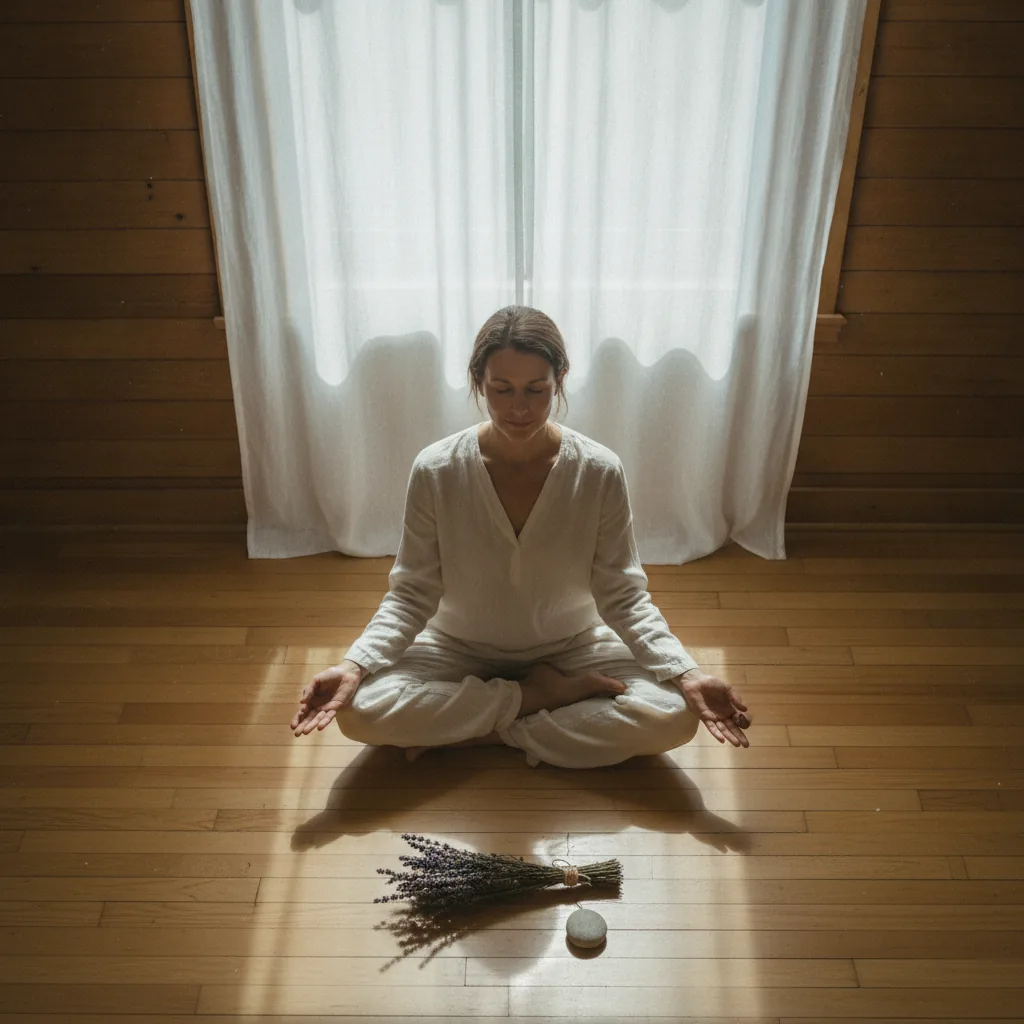
    Emotional exhaustion is a state of deep mental and physical depletion caused by prolonged or unresolved emotional stress. It goes beyond ordinary tiredness: it drains your motivation, flattens your sense of self, and makes even simple decisions feel overwhelming. The good news is that with the right support and self-awareness, genuine recovery is possible.

    What are the most common signs of emotional exhaustion?

    The most common signs of emotional exhaustion include persistent fatigue that sleep does not fix, emotional numbness or detachment, difficulty concentrating, irritability, a sense of dread about everyday tasks, and physical symptoms like headaches or a tight chest. Many people also notice they have stopped enjoying things that once brought them pleasure.

    What makes emotional exhaustion tricky to spot is that it creeps in gradually. You might write off the early signs as a busy patch at work, a rough few weeks at home, or just “being a bit flat.” Over time, though, those flat patches stop lifting. You wake up already tired. You find yourself going through the motions, functioning on the outside while running on empty on the inside.

    Some of the clearest physical signals include:

    • Waking unrefreshed regardless of how many hours you sleep
    • A low-grade tension that sits in the jaw, shoulders or gut
    • Getting sick more often than usual (a sign that chronic stress is suppressing immune function)
    • Crying easily, or feeling strangely unable to cry at all

    On the emotional side, you may feel increasingly cynical, disconnected from the people you love, or quietly resentful in situations where you used to feel neutral. These are not character flaws. They are the nervous system doing its best to protect you when it has been running at capacity for too long.

    What causes emotional exhaustion, and why does it build up?

    Emotional exhaustion builds up when the demands placed on your emotional reserves consistently outpace your ability to recover. Common causes include caregiving burnout, high-pressure work environments, grief, relationship conflict, chronic illness, and the invisible load of constantly managing other people’s needs. Trapped emotions from past experiences can also keep the nervous system in a low-level stress state, compounding the drain.

    A useful way to think about it: imagine your emotional capacity as a bucket. Every stressor, difficult interaction, or unresolved feeling adds water. Rest, connection, joy and processing experiences empty the bucket. Emotional exhaustion happens when the tap is running faster than the drain can keep up, and eventually the bucket overflows.

    Research from occupational health consistently finds that emotional labour, the work of managing your feelings to meet the expectations of a role, is one of the most depleting forms of effort a person can expend. Teachers, nurses, parents, customer-facing workers and carers of all kinds are particularly vulnerable. But emotional exhaustion does not discriminate: it can affect anyone navigating ongoing stress without adequate support or recovery time.

    What is less often talked about is the role that unresolved or suppressed emotions from the past can play. When old grief, fear, shame or heartache has never been fully processed, it does not simply disappear. It gets stored in the body and the subconscious, quietly consuming energy in the background and lowering your threshold for what tips you over the edge in the present.

    How is holistic recovery from emotional exhaustion different from simply resting?

    Holistic recovery from emotional exhaustion addresses the underlying emotional, energetic and belief-level patterns driving the depletion, not just the surface-level tiredness. Rest is necessary but rarely sufficient on its own. True recovery usually involves releasing stored emotional stress, shifting unhelpful beliefs, rebuilding nervous system resilience, and creating the kind of safety within yourself that allows genuine restoration.

    This is the distinction that so many people miss. They take a holiday and come back feeling better for a week, then find themselves right back in the same state of depletion within a month. That is because the external circumstances changed but the internal landscape stayed the same: the same patterns, the same subconscious drivers, the same trapped feelings running quietly in the background.

    Holistic approaches to recovery tend to work on several levels at once:

    • The physical body: Practices like gentle movement, breathwork, yoga therapy and somatic awareness help the body release the held tension of chronic stress and come back into regulation.
    • The emotional layer: Modalities that help identify and release trapped emotions, whether from recent events or much earlier in life, can provide meaningful relief that talk-based approaches alone sometimes miss.
    • The belief layer: Many people who experience emotional exhaustion are running deep subconscious beliefs around worth, safety, people-pleasing or perfectionism that keep them locked in overdrive. Addressing those beliefs at the root level creates lasting change rather than temporary relief.
    • The relational and lifestyle layer: Learning to set boundaries, communicate needs clearly, and build sustainable self-care practices is not optional extra work. It is part of the recovery itself.

    Yoga therapy, as one example, is a structured therapeutic approach that adapts the tools of yoga (breath, movement, meditation, and self-inquiry) to the specific needs of an individual. Unlike a general yoga class, it is tailored and responsive. For someone navigating emotional exhaustion, it can help regulate the autonomic nervous system and gradually rebuild a sense of safety and ease in the body.

    What role do trapped emotions play in emotional exhaustion?

    Trapped emotions are emotional energies that were not fully processed at the time of a difficult experience and remain stored in the body’s energy field. According to the Emotion Code framework developed by Dr. Bradley Nelson, these energies can create imbalances that contribute to both emotional and physical symptoms, including the kind of persistent fatigue and overwhelm that characterises emotional exhaustion.

    The idea that the body stores emotional experience is not fringe thinking. Bessel van der Kolk’s landmark work, “The Body Keeps the Score,” brought widespread clinical and public attention to the way unresolved emotional experiences live in the nervous system and the tissues of the body. Many people find that no matter how much they intellectually understand their stress or talk through their history, something still feels stuck.

    Energy-based modalities like the Emotion Code, Body Code and Belief Code work at this level, gently identifying and releasing emotional imprints that may have been quietly draining energy for years, sometimes decades. Clients often describe feeling noticeably lighter after sessions, with a softening in the tightness or heaviness they had come to accept as their baseline. These are the kinds of shifts that support deeper, more durable recovery from emotional exhaustion.

    At Zoe Bentley Healing, sessions in Emotion Code, Body Code, Belief Code, yoga therapy and holistic counselling are offered as complementary wellbeing support. They work beautifully alongside any care you may already be receiving from your GP, psychologist or other health professional, not instead of it.

    Where do you begin when emotional exhaustion feels all-encompassing?

    When emotional exhaustion feels all-encompassing, the most important first step is acknowledging that what you are experiencing is real and that it deserves proper attention. From there, small, consistent actions tend to work better than dramatic overhauls. Begin with one gentle practice that supports your nervous system, seek professional support, and give yourself permission to recover at the pace your body and emotions actually need.

    Here are some gentle starting points that many people find genuinely helpful:

    • Name what you are feeling. Not to fix it, just to acknowledge it. Research by psychologist Matthew Lieberman found that labelling an emotion reduces the intensity of its activation in the brain’s threat-response centres. Simply saying “I feel depleted and overwhelmed” to yourself or a trusted person creates a small but real shift.
    • Protect a daily window of genuine rest. Not scrolling, not productive rest. Something that actually replenishes: a short walk outside, ten minutes of slow breathing, sitting quietly with a cup of tea.
    • Get honest about what is draining you. Sometimes emotional exhaustion is a signal that something in your life, a relationship, a role, a belief about what you owe others, needs to change. That kind of clarity often comes more easily with support than alone.
    • Reach out for help sooner rather than later. Emotional exhaustion tends to compound the longer it goes unaddressed. The earlier you seek support, the gentler the recovery tends to be.

    Recovery from emotional exhaustion is not about pushing through or simply deciding to feel better. It is a genuine process of releasing what has been held, rebuilding what has been depleted, and creating new patterns that honour your actual capacity as a human being. You are allowed to take that seriously. You are allowed to get support for it.

    If any of this has resonated and you are wondering whether holistic support might be right for you, the best next step is a conversation. Book a free 20-minute intro call with Zoe Bentley Healing.